A Father’s Role and a Daughter’s Duty in Islam – And Vice Versa
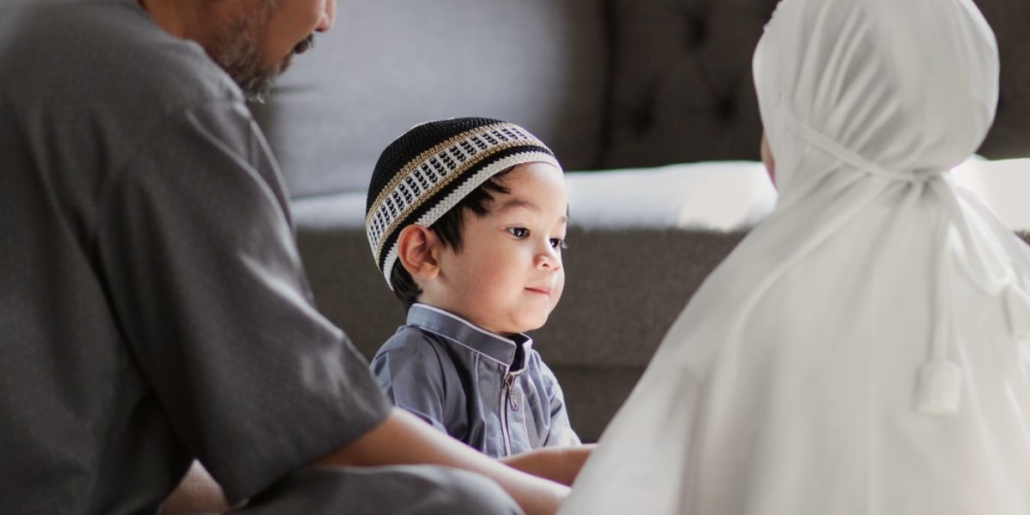
In Islam, the relationship between a father and daughter is rooted in compassion, responsibility, and mutual respect. A father is entrusted with the sacred duty to nurture, protect, and educate his daughter, while the daughter is encouraged to honour, care for, and support her father, especially in his later years. “A Father’s Role and a Daughter’s Duty in Islam” reflects this beautiful balance, where both are accountable to each other in love and faith.
In the sacred teachings of Islam, the family unit is held with utmost reverence. Among its core relationships, the bond between a father and daughter is uniquely honoured. Both parties are granted rights and responsibilities, creating a balanced and compassionate structure that nurtures love, guidance, and mutual respect. Understanding a father’s rights over his daughter and a daughter’s rights over her father is essential for preserving this divine relationship according to Islamic principles.
A Father’s Rights Over His Daughter
In Islam, the role of the father is not only that of a financial provider but also a spiritual and moral guardian. A father has specific rights over his daughter, which she is expected to honour throughout her life.
- Respect and Obedience: The Qur’an and Hadith emphasise the importance of showing respect to parents. In Surah Luqman (31:14), Allah commands: “Be grateful to Me and your parents; to Me is the [final] destination.” Obedience, within the limits of what is halal (permissible), is a right of the father.
- Honouring His Status: The Prophet Muhammad ﷺ said, “Your father is the middle gate of Paradise. You may lose it or protect it.” (Tirmidhi). This signifies the spiritual weight of honouring a father in Islam.
- Care in Old Age: As the father ages, it becomes a moral and religious duty of the daughter to ensure his comfort, care, and emotional support, particularly when he becomes dependent.
- Seeking His Consent in Marriage: While Islam grants a woman autonomy in choosing her spouse, a father’s consultation and blessing are encouraged as a mark of respect and family harmony.
A Daughter’s Rights Over Her Father
Islam also bestows noble rights upon daughters, challenging pre-Islamic Arab customs that viewed female children as burdens. The Prophet ﷺ elevated their status through his actions and words, granting daughters dignity and honour.
- Right to Life and Honour: Islam strictly forbade the ancient practice of female infanticide. In Surah Al-Takwir (81:8-9), Allah warns, “And when the girl [who was] buried alive is asked, for what sin she was killed…”
- Education and Moral Upbringing: A daughter has the right to be educated and raised with Islamic values. The Prophet ﷺ said, “Whoever has three daughters and is patient with them, gives them to drink and clothes them from his wealth, they will be a shield for him from the Fire.” (Ibn Majah).
- Financial Support and Inheritance: A father is obligated to provide financially for his daughter until she marries. Even after marriage, he is to support her in times of hardship. Daughters also receive a fixed share in inheritance as per Surah An-Nisa (4:7).
- Marriage and Dowry Protection: The father must ensure that his daughter marries someone righteous and that her rights (including mahr/dowry) are fulfilled and protected.
Clarifying the Main Title: Mutual Rights in Islam
- The father has the right to be respected and obeyed.
- The daughter has the right to love, care, education, and dignity.
- The father must guide and protect his daughter emotionally and spiritually.
- The daughter must honour and support her father, especially in his old age.
- The father has a say in major decisions, but cannot force marriage.
- The daughter’s financial and inheritance rights are protected.
A Relationship of Love and Accountability
This father-daughter dynamic in Islam is not just a legal framework but a deeply emotional and spiritual connection. It encourages love, kindness, and open communication. When a father raises his daughter with affection and righteousness, she becomes not only a source of joy in this world but also a means of salvation in the Hereafter.
Conclusion
Islam beautifully outlines a father’s rights over his daughter and a daughter’s rights over her father, ensuring justice and harmony in family life. These mutual rights reflect Allah’s mercy and wisdom in shaping human relationships with compassion and accountability.
The Prophet ﷺ, who himself was the loving father of Fatimah (RA), set the greatest example by standing up when she entered the room and kissing her forehead. His actions were the ultimate demonstration of what this relationship should look like: respect, dignity, and immense love.
The Father’s Role and a Daughter’s Duty in Islam go hand in hand, forming the foundation of a strong and loving family. Islam encourages fathers to lead with kindness, provide with sincerity, and guide with wisdom, while daughters are taught to respond with respect, gratitude, and care. This mutual bond not only strengthens the household but also fulfils a sacred trust ordained by Allah, bringing blessings in both this life and the Hereafter.
May Allah grant us the ability to fulfil our duties toward our fathers and daughters in the way that pleases Him?