The Battle of Karbala: How the Prophet (PBUH) Warned About Hussain’s Martyrdom?

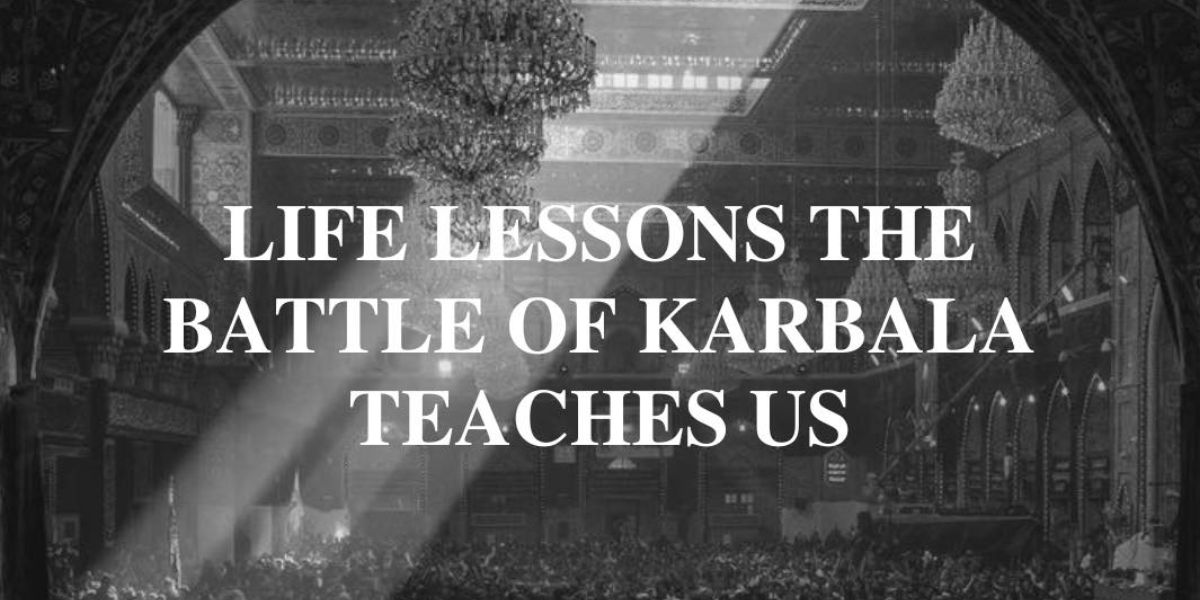
The Battle of Karbala is one of the most heart-wrenching and spiritually powerful events in Islamic history. Fought on the 10th of Muharram, in the year 680 CE (61 AH), the plains of Karbala in present-day Iraq became a symbol of unwavering faith, sacrifice, and resistance against tyranny. The tragedy of Karbala is not just a Shia story or a sectarian memory; it’s a universal reminder for all Muslims about standing for justice, even in the face of death.
The Background of the Battle: Lessons on Faith, Family, and Moral Courage
After the death of Prophet Muhammad (peace be upon him), leadership disputes began to surface among Muslims. The leadership of the Muslim Ummah eventually fell into the hands of the Umayyad dynasty under Yazid ibn Muawiyah. Yazid demanded allegiance from prominent figures in the Muslim world, including Imam Hussain ibn Ali (RA), the beloved grandson of the Prophet (PBUH).
However, Imam Hussain (RA) refused to pledge allegiance to Yazid, knowing that Yazid’s rule was marked by injustice, immorality, and a lack of adherence to Islamic principles.
“And do not incline toward those who do wrong, lest you be touched by the Fire…”
(Surah Hud, 11:113)
This Quranic verse reflects Imam Hussain’s stance: that siding with oppression, even silently, is against Islamic teachings.
The Journey to Karbala
Imam Hussain (RA), along with his family and loyal companions, set out from Medina towards Kufa in response to letters from the people of Kufa, inviting him to lead them. However, Yazid’s forces intercepted Imam Hussain’s caravan at Karbala, cutting off their access to water and surrounding them with an army of thousands.
For several days, Imam Hussain’s small group of 72, including women and children, were denied water under the scorching sun. Despite knowing the outcome, Imam Hussain (RA) refused to surrender to tyranny.
The Prophet Muhammad (PBUH) said
“Hussain is from me, and I am from Hussain. Allah loves whoever loves Hussain.”
(Sunan al-Tirmidhi, Hadith 3775)
This Hadith shows the spiritual and emotional connection between the Prophet (PBUH) and his grandson. Imam Hussain’s sacrifice was rooted in the love of Allah and the Sunnah of his grandfather.
The Day of Ashura: The Tragic Climax
On the 10th of Muharram (Ashura), the final battle began. Despite being outnumbered and exhausted, Imam Hussain (RA) and his companions fought bravely. One by one, his loyal supporters, including his brothers, sons, nephews, and friends, were martyred.
Among the most heartbreaking moments was the martyrdom of Ali Asghar (RA), the infant son of Imam Hussain. Holding his thirsty baby in his arms, Imam Hussain pleaded for water for the child, but Yazid’s army responded with an arrow that struck the child’s neck.
Finally, Imam Hussain (RA) stood alone on the battlefield. Fatigued, wounded, but full of faith, he offered his last prayers before being brutally martyred.
The Quranic Message Behind Karbala
The sacrifice of Imam Hussain (RA) beautifully reflects several Quranic principles:
Standing against injustice
“O you who have believed, be persistently standing firm in justice, witnesses for Allah, even if it be against yourselves or parents and relatives.”
(Surah An-Nisa, 4:135)
Patience in the face of trials
“And give good tidings to the patient, who, when disaster strikes them, say, ‘Indeed we belong to Allah, and indeed to Him we will return.’”
(Surah Al-Baqarah, 2:155-156)
Imam Hussain and his family perfectly embodied these values. They chose martyrdom over compromise, and faith over fear.
Spiritual Lessons Muslims Can Learn from Karbala
The Battle of Karbala teaches timeless values that remain relevant for every generation of Muslims:
- Never submit to injustice: Even when the odds are against you.
- Honour your principles: Even if the price is your life.
- Be patient during trials: Trust in Allah’s ultimate justice.
- Speak the truth: Even if it brings temporary suffering.
Imam Hussain (RA) stood not just for himself, but for the very essence of Islam. His sacrifice preserved the moral compass of the Ummah.
The Prophet’s Love for Imam Hussain (RA)
The deep love Prophet Muhammad (PBUH) had for Imam Hussain is recorded in numerous Hadiths:
“O Allah! I love them both (Hasan and Hussain), so I love them too.”
(Sahih al-Bukhari, Hadith 3749)
The Prophet’s (PBUH) tears flowed when he was informed by Angel Jibreel (AS) about the future martyrdom of Hussain. This Hadith is a powerful reminder that the pain of Karbala was known and felt by the Prophet even before it happened.
The Aftermath of Karbala: A Global Legacy
After the battle, the surviving women and children, including Sayyida Zainab (RA), were taken captive and brought to Yazid’s court in Damascus. Sayyida Zainab’s (RA) fearless speech before Yazid remains a shining example of speaking truth to power, even in chains.
Over the centuries, the legacy of Karbala has continued to inspire Muslims worldwide. The mourning observed on Ashura is not only a Shia tradition but a moment of reflection for many Sunni Muslims as well, reminding them of the cost of remaining silent in the face of oppression.
Conclusion: Karbala – A Battle for All Humanity
The Battle of Karbala is not just a chapter in Islamic history; it is a universal call for justice, sacrifice, and standing against tyranny. The Quran, Hadith, and the actions of Imam Hussain (RA) all unite in delivering a single, powerful message: Truth must be upheld, no matter the consequences.
As Allah reminds us in the Quran
“Indeed, Allah is with those who fear Him and those who are doers of good.”
(Surah An-Nahl, 16:128)
Let the sacrifice of Karbala inspire us to be braver, more just, and more compassionate in our daily lives. May we always remember the lesson Imam Hussain (RA) left behind: Never let falsehood win over truth, no matter the cost.