
How Hajj Changes a Muslim’s Life Spiritually: A Journey of Faith, Patience, and Inner Transformation
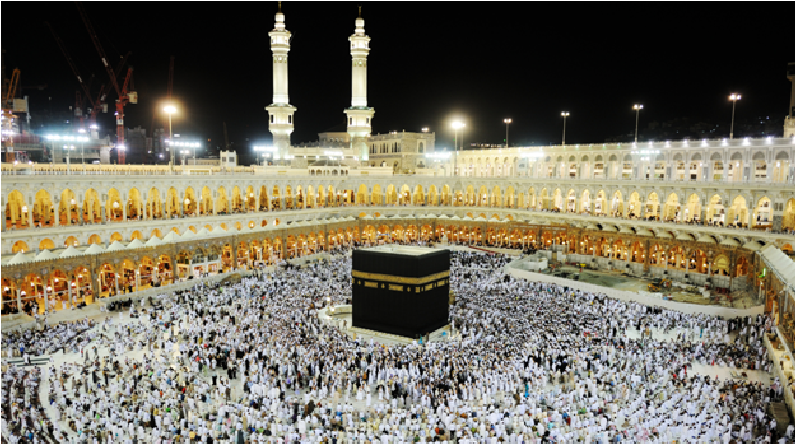
Hajj is not just a journey across continents. It is a journey deep into the heart. Every year, millions of Muslims leave their homes, their families, and their daily routines to stand before the House of Allah. They come with one hope in their hearts, and that hope is forgiveness.
For many pilgrims, Hajj becomes the most powerful moment of their entire life. It teaches lessons that no school, no book, and no lecture can truly explain. Hajj is known as the fifth pillar of Islam, a sacred obligation that teaches Muslims sacrifice, humility, and complete submission to Allah. People go to Makkah as ordinary believers, but they often return as changed human beings. Their hearts feel softer. Their tears come easier. Their love for Allah feels deeper than ever before.
This article explores how Hajj truly transforms a Muslim’s life spiritually, and why its impact stays with a person long after they return home.
Understanding the True Purpose of Hajj
Many people misunderstand Hajj. It is not a tourist trip. It is not a religious vacation. It is a complete spiritual cleansing for the soul.
The real purpose of Hajj is to draw closer to Allah with full sincerity. Every step a pilgrim takes is meant for Him alone. Allah says in the Quran:
“And complete the Hajj and Umrah for Allah.” (Surah Al-Baqarah 2:196)
This verse reminds every Muslim that Hajj must be done with pure intention, also called niyyah. Without sincerity, even the longest journey becomes empty. When the heart is sincere, even a single moment in Makkah feels priceless.
Hajj teaches obedience in its highest form. A pilgrim does not ask why. They simply submit, follow, and trust Allah’s wisdom.
Hajj Teaches Complete Humility
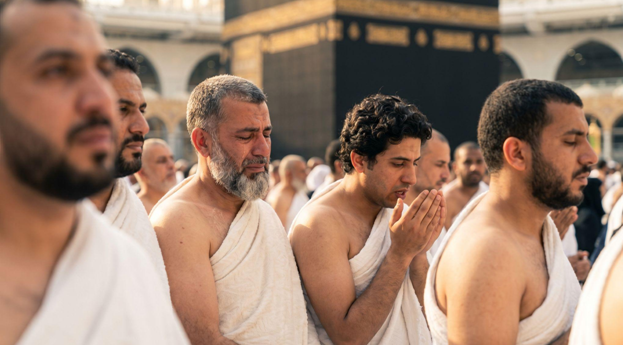
One of the most beautiful lessons of Hajj is humility. The moment a pilgrim wears the Ihram, all worldly identities disappear. The rich man and the poor man wear the same simple white cloth. The doctor and the laborer stand side by side. The famous and the unknown bow before Allah in the same way.
There is no race in Hajj. There is no nationality. There is no rank. There is only the human soul standing before its Creator.
Slowly, the ego begins to melt. Pride feels foolish. Arrogance feels embarrassing. A pilgrim realizes how small they are, and how merciful Allah is. This realization changes the way they look at themselves and others for the rest of their life.
The Spiritual Impact of Standing at Arafat
If there is one day during Hajj that pilgrims never forget, it is the Day of Arafat. The Prophet Muhammad (peace be upon him) said:
“Hajj is Arafat.” Sunan an-Nasa’i 3016
On this day, millions of Muslims gather on a vast plain, raising their hands toward the sky. They cry. They beg. They whisper their deepest sins to Allah. They ask for forgiveness for things they have hidden for years.
Many pilgrims describe Arafat as the most emotional experience of their entire life. Tears flow without warning. The heart breaks open. Old pain finally finds release. People feel the closeness of Allah in a way they have never felt before.
Standing at Arafat reminds every Muslim of one truth. We will all stand before Allah one day. Hajj prepares the heart for that final moment.
Hajj Strengthens Patience and Self-Control
Hajj is not easy. The crowds are huge. The weather is hot. The walks are long. The waiting feels endless. Yet every difficulty during Hajj carries a hidden lesson.
Learning Sabr Through Difficulties
A pilgrim quickly learns that patience, or sabr, is the heart of worship. When someone pushes you in the crowd, you stay calm. When you feel tired, you keep walking. When you feel hungry or thirsty, you remember those who suffer every day.
These small struggles train the soul. After Hajj, patience becomes part of a person’s character. They no longer get angry over small matters. They handle problems with calmness. They understand that life itself is a test, and patience is the key to passing it.
This kind of inner peace after Hajj cannot be taught. It can only be earned through the journey.
A Stronger Connection With Allah After Hajj
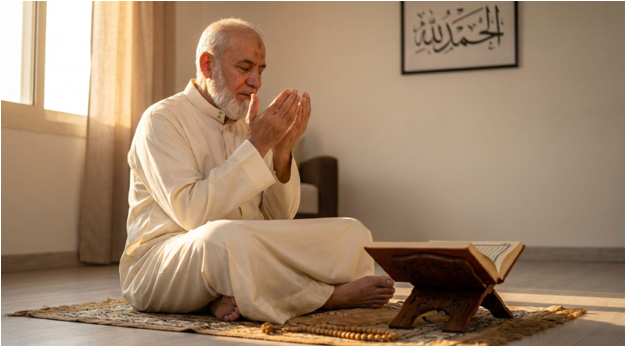
One of the clearest signs of a life-changing journey is the way a person prays after returning home. Pilgrims often find themselves rushing to the masjid. They want to pray every Salah on time. They open the Quran more often. They love listening to its verses. They feel sadness when they miss a single act of worship.
This is the gift of Hajj. It revives a sleeping heart.
Many pilgrims describe themselves as spiritually reborn. They feel ashamed of their old habits. They want to stay away from sins that once felt normal. They begin to value time, and they spend it in worship and good deeds.
Gratitude also grows in the heart. Every breath feels like a blessing. Every meal feels like a gift. Every healthy day feels like mercy from Allah.
Brotherhood and Unity Among Muslims
Hajj is the largest gathering of human beings united by faith. Muslims come from every corner of the world. Africa, Asia, Europe, America, and beyond. They speak different languages. They wear different cultures in their hearts. Yet during Hajj, they become one family.
You see a man from Indonesia praying next to a man from Morocco. A woman from Turkey shares her food with a woman from Pakistan. Strangers smile, hug, and pray together. Language barriers disappear. Cultural walls collapse.
This unity reminds every Muslim of a powerful truth. The Ummah is one body. When one part suffers, the whole body should care. Hajj plants this feeling deep in the heart, and it never fully fades.
Life Lessons Muslims Bring Home After Hajj
When pilgrims return, they carry more than memories. They carry lessons that reshape their daily lives.
Some of the most powerful lessons include:
- Gratitude for every small blessing.
- Simplicity in clothing, food, and lifestyle.
- Forgiveness for those who once hurt them.
- Discipline in prayer and worship.
- Kindness in speech and behavior.
- Time management for spiritual goals.
- Helping others without expecting anything back.
These lessons shape a Muslim’s character for years to come. A person who lives by them becomes a quiet light in their family and community.
Challenges Muslims Face After Returning From Hajj
The truth is, the journey of repentance does not end at the airport. After Hajj, many Muslims face a new test. The challenge is keeping the spiritual energy alive.
Old routines return. Work piles up. Friends and habits pull a person back to their previous lifestyle. Without effort, the soft heart of Hajj can slowly become hard again.
To protect this spiritual gift, pilgrims are encouraged to:
- Keep daily prayers strong and on time
- Read a portion of the Quran every single day
- Stay away from places and people that weaken faith
- Continue making dua for acceptance of Hajj
- Surround themselves with righteous company
- Seek knowledge that strengthens belief
Many Muslims continue their spiritual journey after Hajj by following authentic Islamic guidance and educational platforms like Islamic Mentors. Learning never stops, and the more a believer understands Islam, the easier it becomes to hold onto the light of Hajj.
Conclusion
Hajj changes the heart before it changes anything else. It softens what was once hard. It heals what was once broken. It awakens what was once asleep. A Muslim who completes Hajj sincerely returns with a different soul, even if their face looks the same.
The true success of Hajj is not measured by the photographs or the souvenirs. It is measured by how a person lives after coming home. It is seen in their prayers, their patience, their kindness, and their love for Allah.
If you ever get the chance to go for Hajj, prepare your heart more than your luggage. Prepare your soul more than your suitcase. Because the real journey is not from your country to Makkah. The real journey is from your old self to the better self Allah wants you to become.
May Allah invite every Muslim to His sacred House, and may He accept the Hajj of every pilgrim who steps onto that blessed land.
Frequently Asked Questions
How does Hajj change a person spiritually?
Hajj increases faith, humility, patience, and closeness to Allah. It softens the heart, encourages sincere repentance, and helps Muslims leave sinful habits behind. Many pilgrims feel spiritually reborn after returning home.
Why do Muslims feel emotional during Hajj?
Muslims feel emotional during Hajj because it is a deeply spiritual experience built on forgiveness, worship, and repentance. Standing at Arafat, walking around the Kaaba, and praying among millions of believers creates a powerful connection with Allah that often brings tears.
What lessons does Hajj teach Muslims?
Hajj teaches patience, equality, sacrifice, gratitude, discipline, and unity. It reminds every Muslim that worldly status means nothing before Allah, and that true honor lies in faith and good character.
Does Hajj forgive all sins?
According to an authentic Hadith of the Prophet Muhammad (peace be upon him), a sincere and accepted Hajj can lead to the forgiveness of previous sins, and the pilgrim returns as pure as the day they were born. This is why Hajj is seen as one of the greatest spiritual opportunities in a Muslim’s life.

